

Neuroarchitecture: why the spaces we live in, affect our psychology and body more than we think.
For many years, we treated interior design mainly as a matter of aesthetics. A beautiful house was considered more a sign of personal taste, financial comfort or good decoration. In recent years, however, a much deeper discussion has begun to develop around how the spaces in which we live really affect our brain, mood, stress and even our overall health.
Τhe term neuroarchitecture appears more and more strongly. It is essentially a combination of architecture, psychology and neuroscience that studies how the environment around us affects our nervous system and the way we feel in our everyday life.
And the more one reads relevant research, the more one realizes that design is not only about what we see. It mainly concerns what our body and brain feels when we are inside a space.

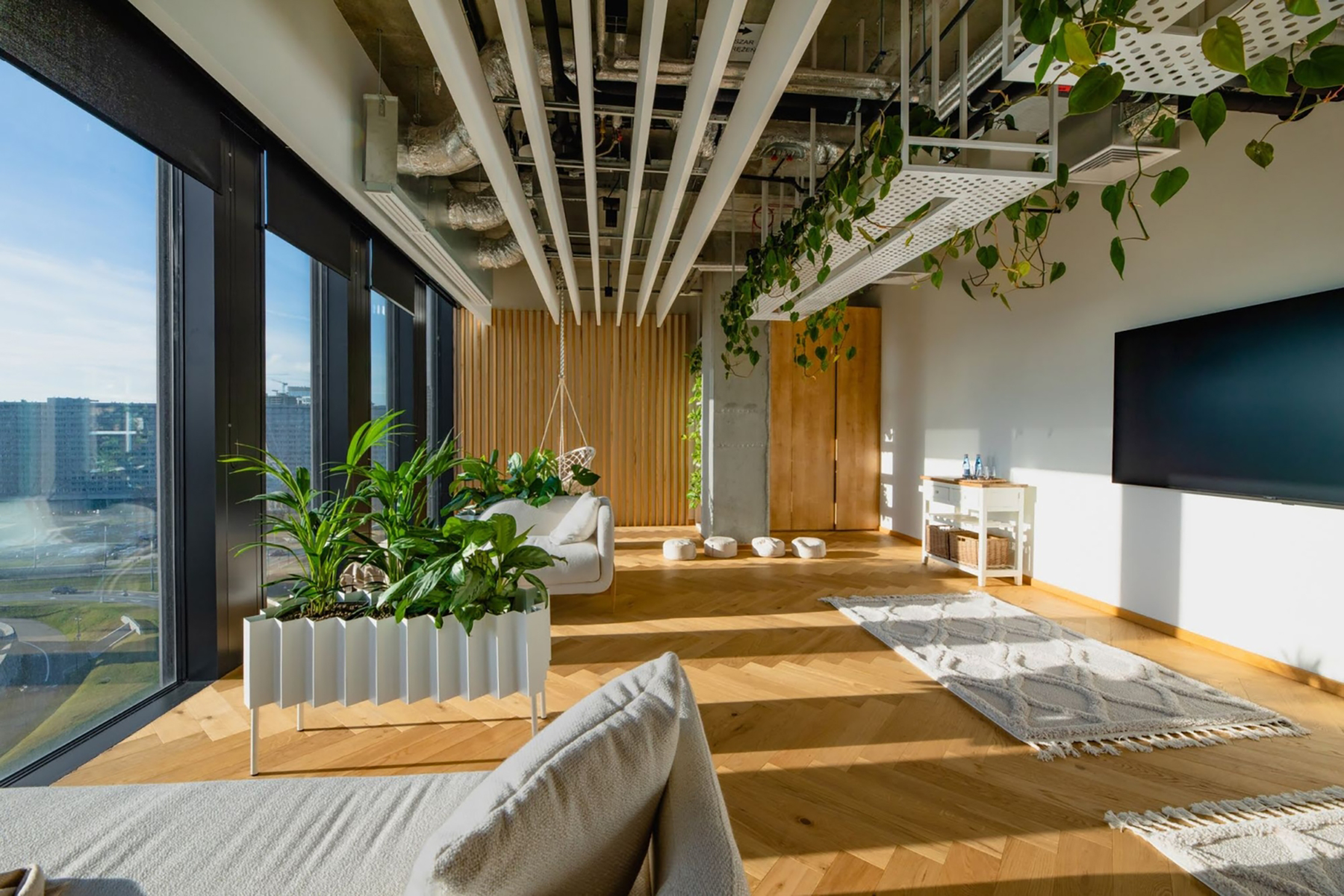
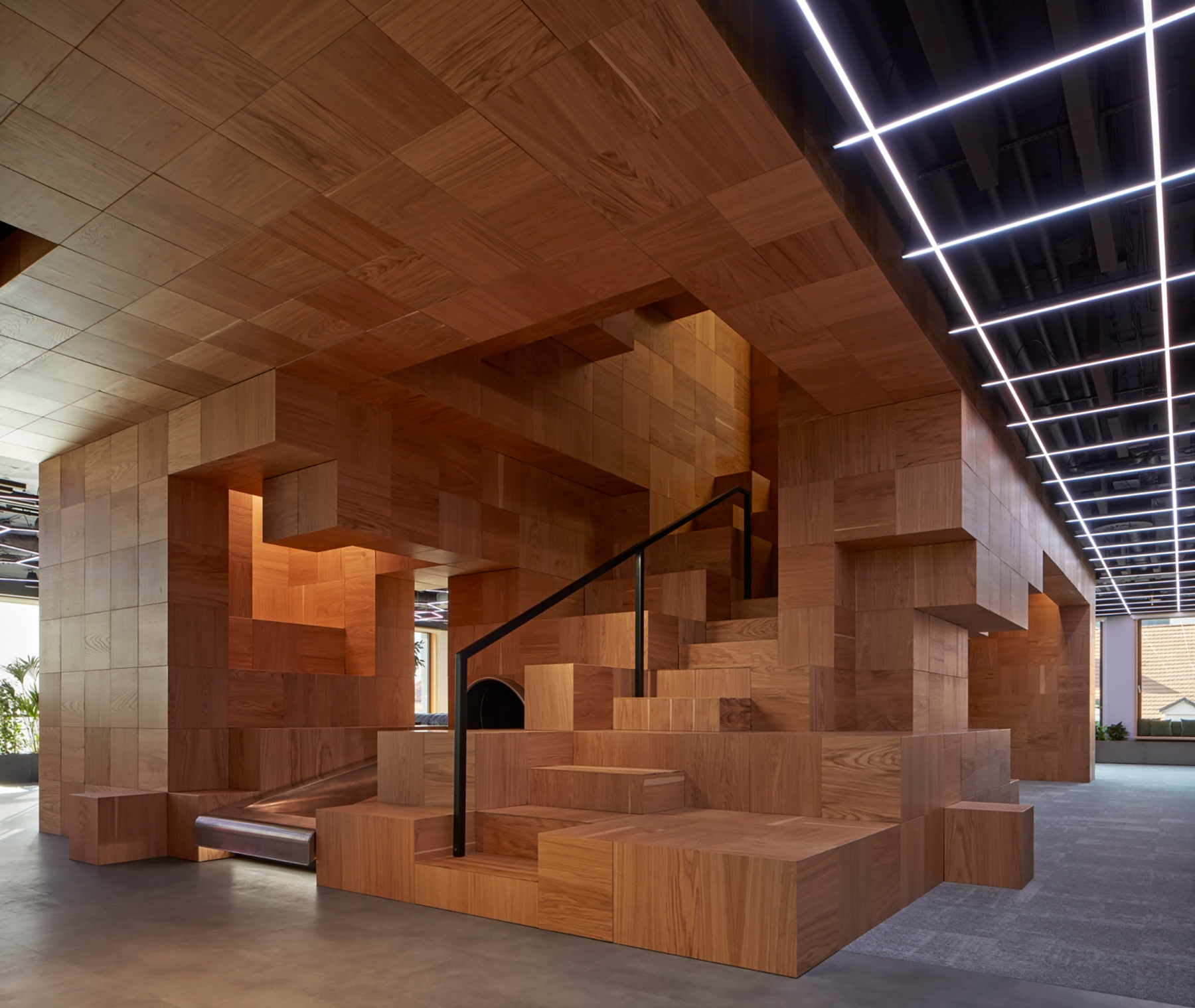

In fact, our brain is constantly "reading" the environment around it, even when we don't consciously understand it. Light, shadows, textures, proportions, clutter, colors, sounds, and the overall atmosphere of a space constantly affect the nervous system. A space with too much visual noise, bright lighting, too much information or poor organization can keep the body in a state of low but constant tension. Conversely, more balanced spaces, with natural materials, calmer color palettes and better flow, can create a sense of security and relaxation.


Perhaps that is why we see its rise of emotional design and of atmospheric interiors so strongly in recent years. The new trends are no longer only about style but about the emotional experience within the space. People are tired of the overstimulation of everyday life, of screens, noise and constant information and are starting to look for homes that function almost like shelters for the nervous system.
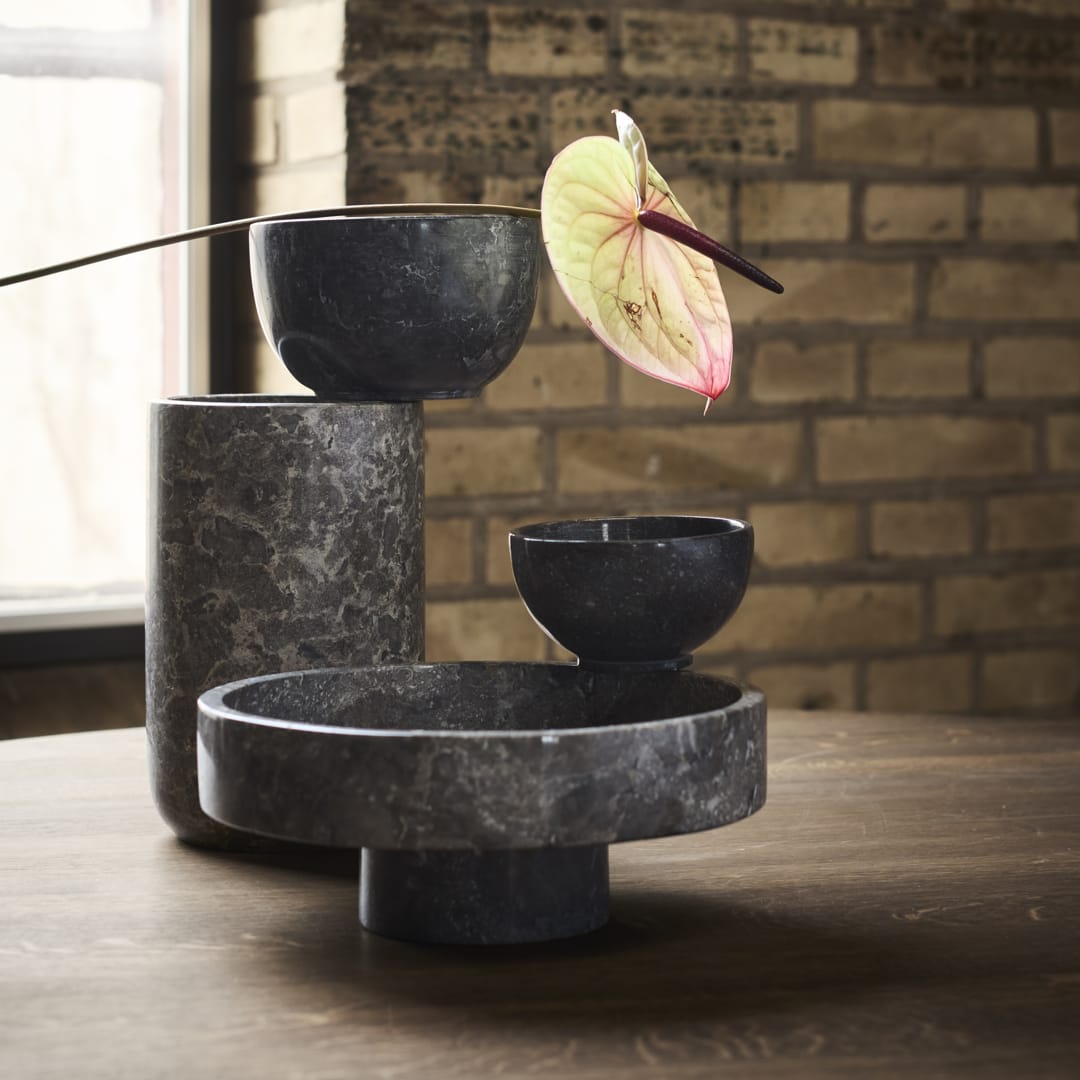
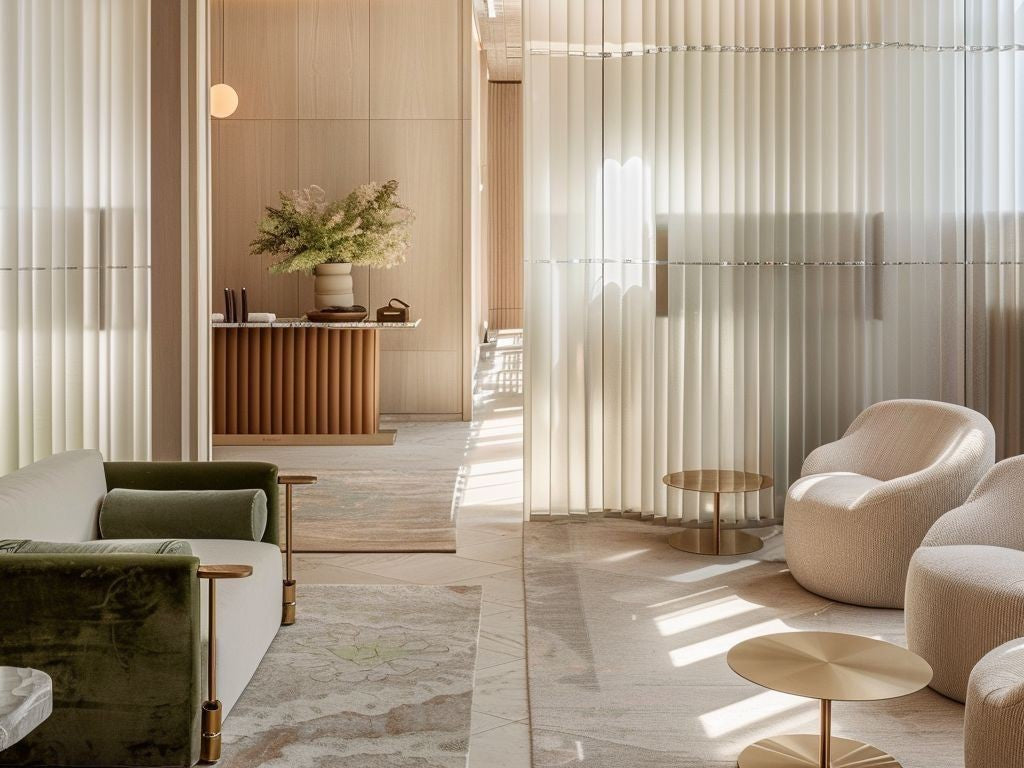
It is no coincidence that more and more interiors are moving towards more soft lighting, curved forms, layered textures, calmer shades, and tactile materials that create a sense of calm. Spaces are starting to be designed not only to impress but to make you feel better when you live in them.
The most interesting thing is that many studies show that good design can even affect biological indicators of the body. Exposure to natural light, organic materials, art, and aesthetically balanced environments appears to be associated with lower cortisol levels, better mood, and overall reduced stress. Some studies even link quality environments with improved cardiovascular health and better overall well-being.
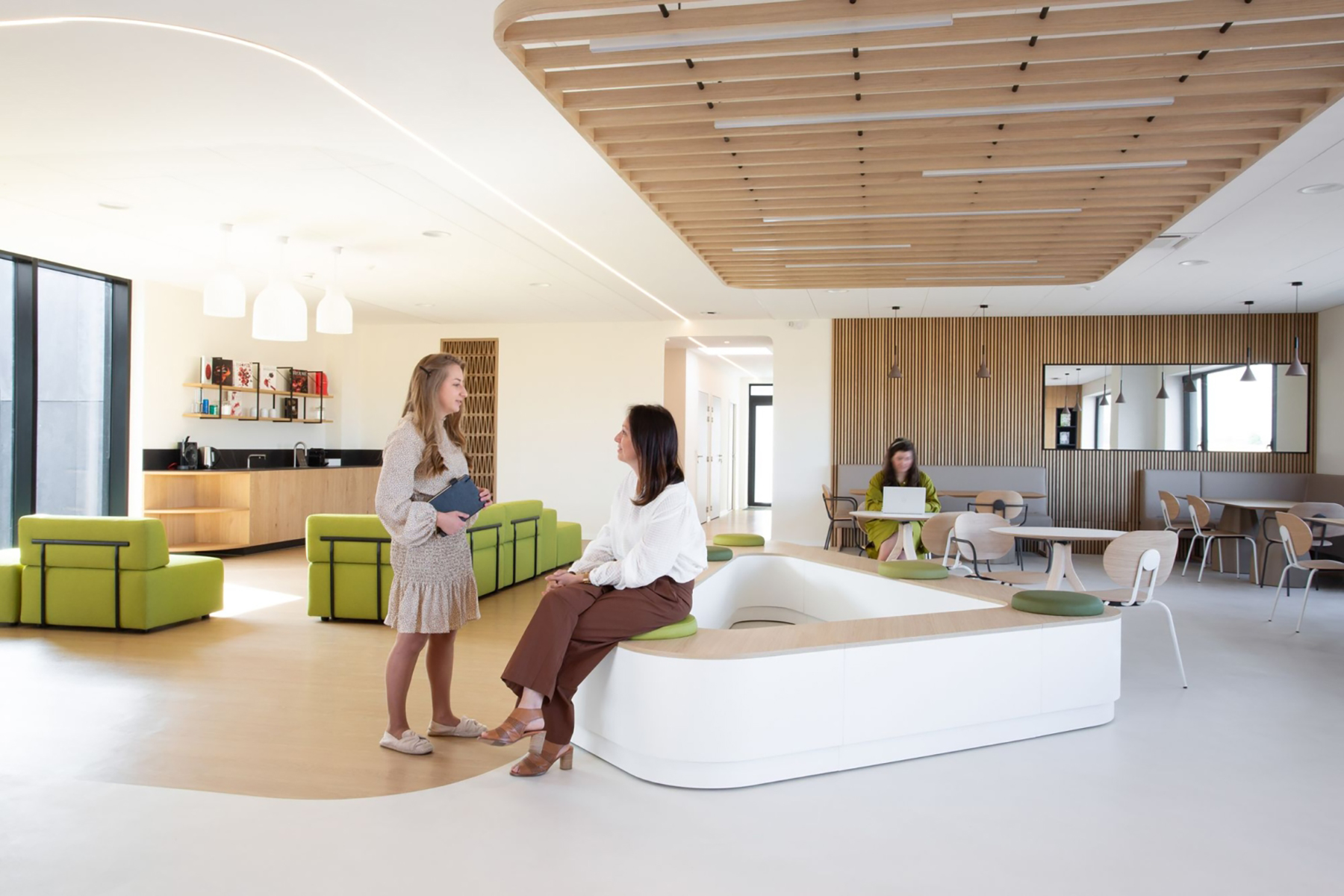


And this is how the concept of luxury begins to change. For years, luxury design was based on extravagance and statement decor. But today the new luxury seems much more connected to calm, silence, atmosphere and quality of experience inside the space. The most modern aesthetic directions are not necessarily trying to attract attention. They try to create a sense of balance.
Maybe that's the future of interior design. Not just beautiful houses but spaces that positively affect our everyday life, mind and body. Because after all, design is not just an image. It's an experience.


Leave a comment
All comments are moderated before being published.
This site is protected by hCaptcha and the hCaptcha Privacy Policy and Terms of Service apply.