

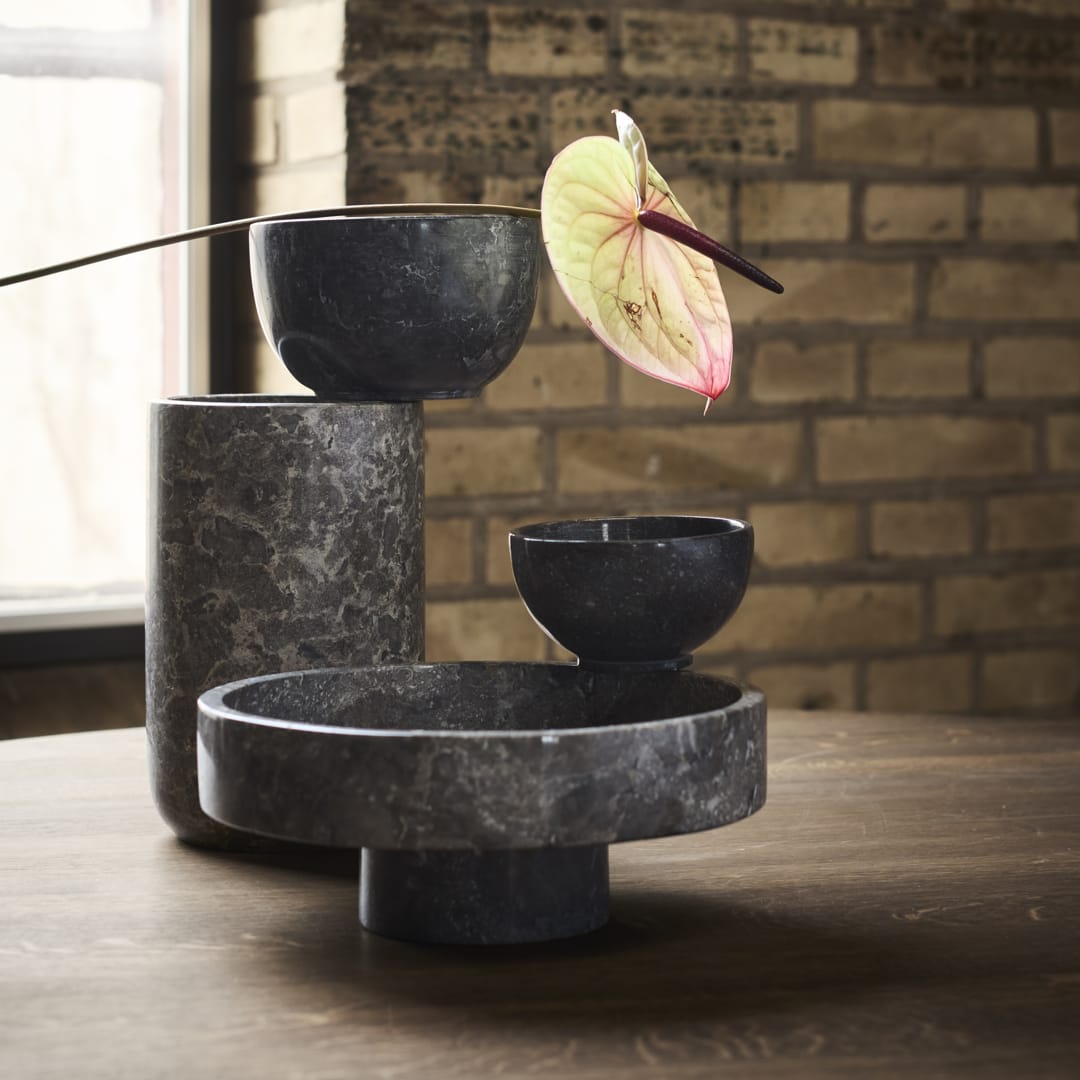

True luxury today is not about excess, but about intention, authenticity, and the harmony between space, nature, and self.
We continue the series, New Trends, in which we will discover together the most interesting design trends for 2026.
Today, we explore a Trend of the New Modernist family.
The New Modernist expresses a contemporary, sophisticated approach to modern design, where luxury is redefined through quality, timelessness, and conscious choice. It draws its identity from the principles of modernism, but translates them into a more peaceful, humane, and sustainable way of life.
New Modernist spaces are quiet yet substantial, designed with intention and depth. They honor the authenticity of materials, craftsmanship, and connection with the environment, creating one of a kind understated luxury that does not seek to impress, but to last. Through this philosophy, design becomes a means of well-being, balance, and mindful living.
Eco–Desert Modernism
Where sustainability meets the tranquility of the desert.
An evolution of desert modernism that honors the earth, embraces restraint, and exalts the quiet life.
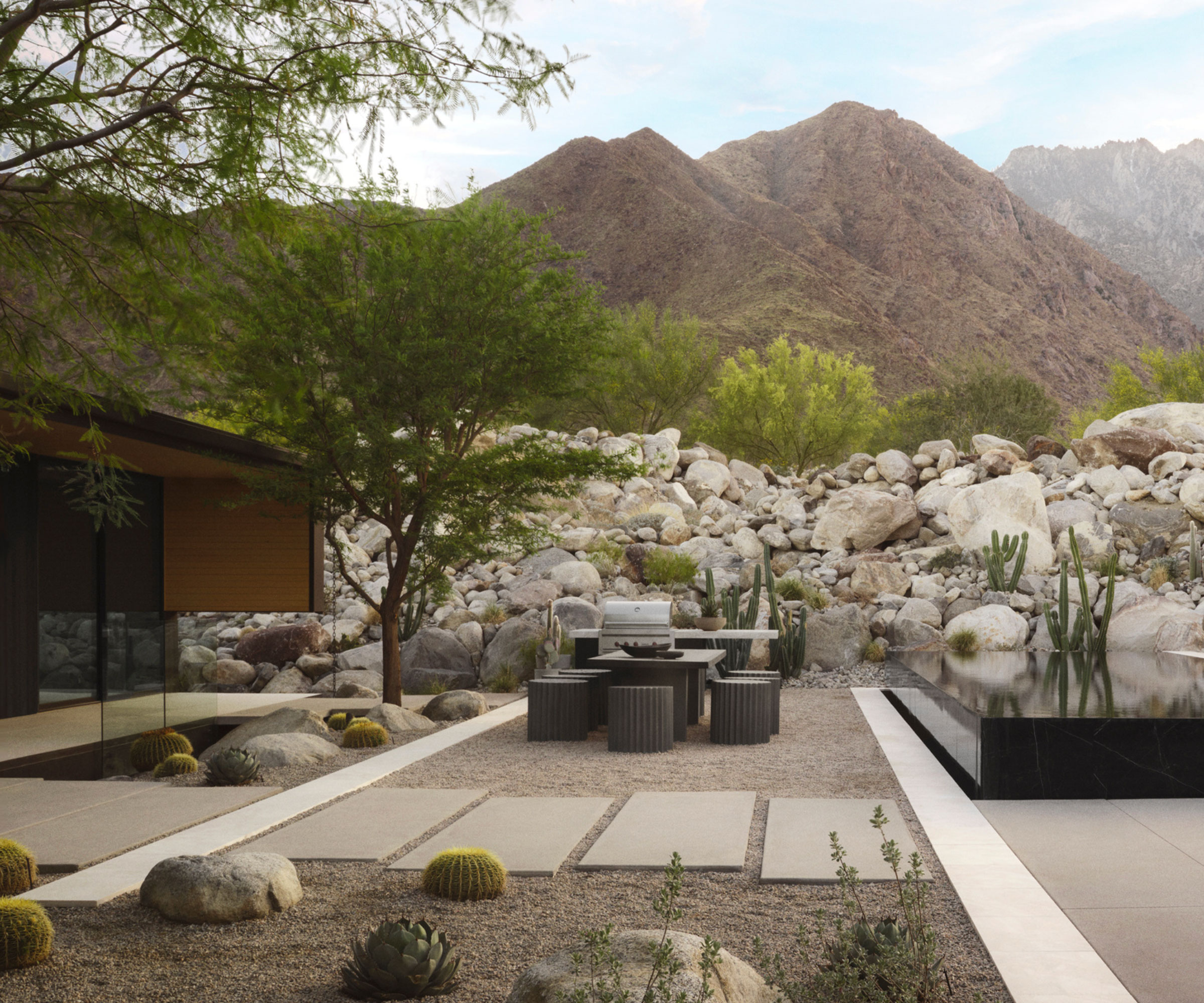
The Eco–Desert Modernism is a subcategory of New Modernism and it redefines the desert aesthetic through an ecological and modern prism. It is inspired by the tranquility and earthly beauty of desert landscapes, combining Palm Springs elegance with sustainable practices and natural materials.
Architecture and interior design acquire organic flow, with curved forms, soft transitions, and spaces that "breathe". Eco-Desert Modernism is not just an aesthetic choice, but a lifestyle, reflecting respect for the environment and a more conscious relationship with space.
Eco–Desert Modernism exudes a feeling of understated chic and quiet confidence. It is warm, holistic, and earthy, designed for people who seek authenticity and balance away from visual and digital saturation. These spaces are not enforced. They exist to support a lifestyle that values silence, natural light, and connection to the landscape.
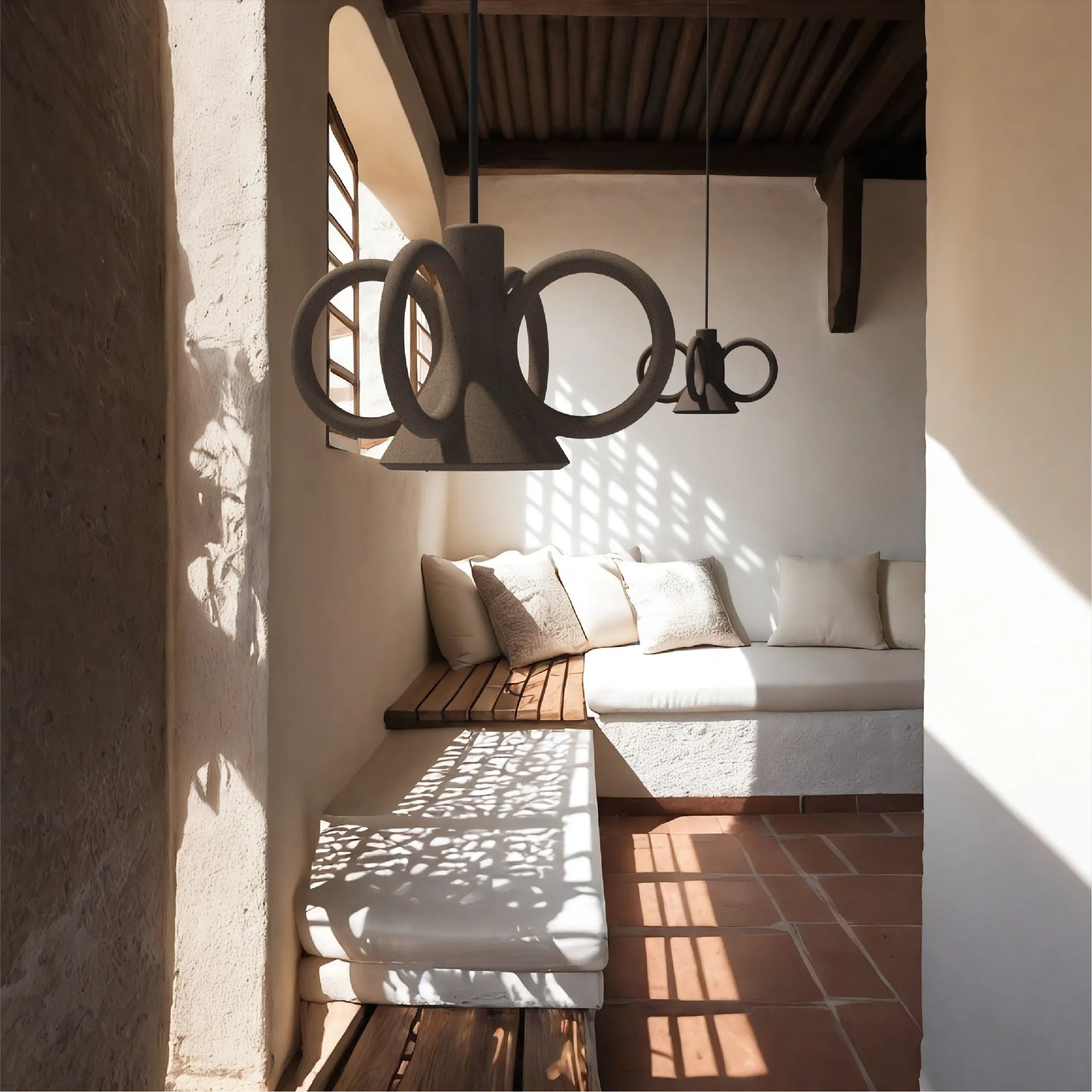

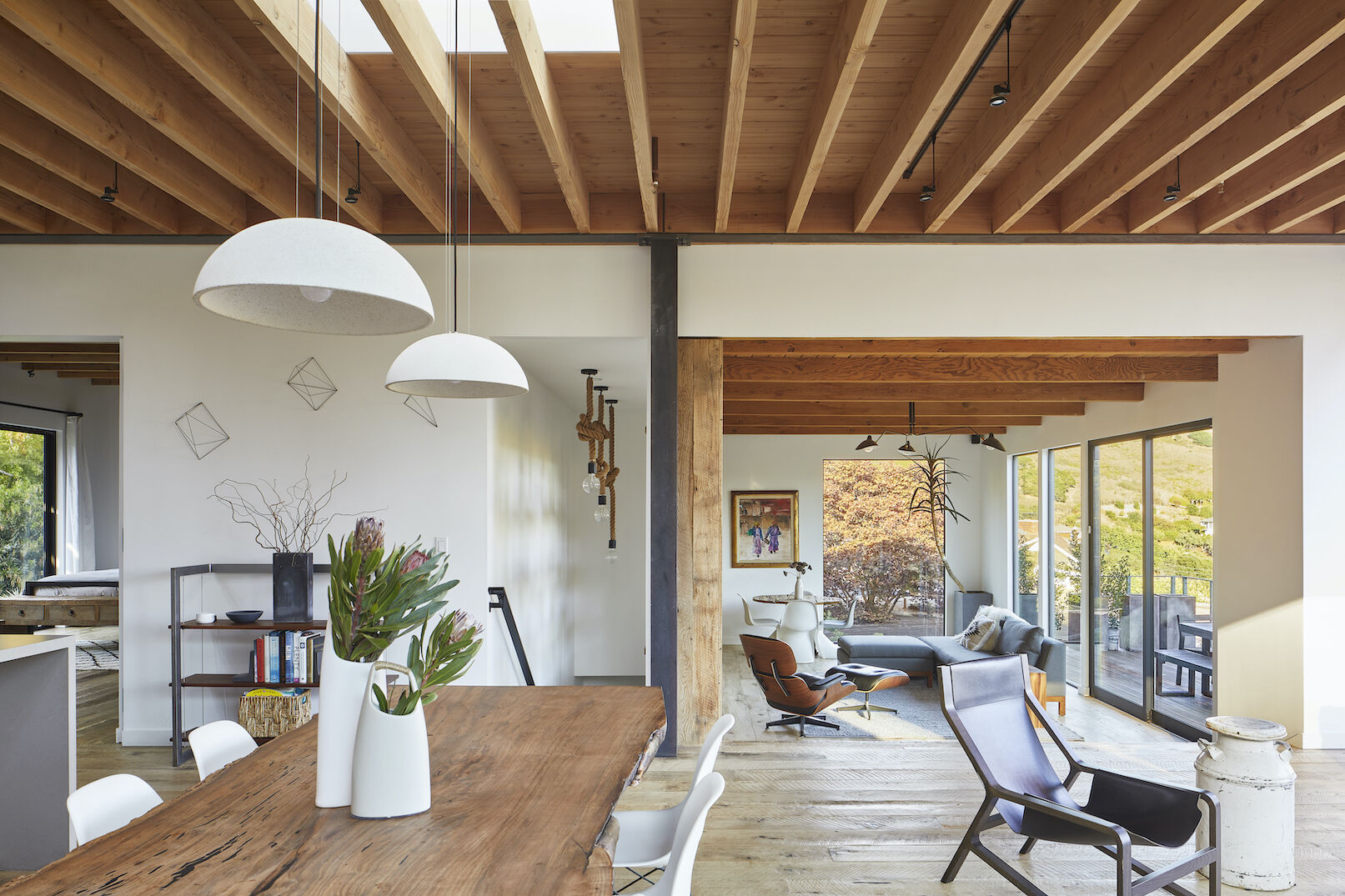

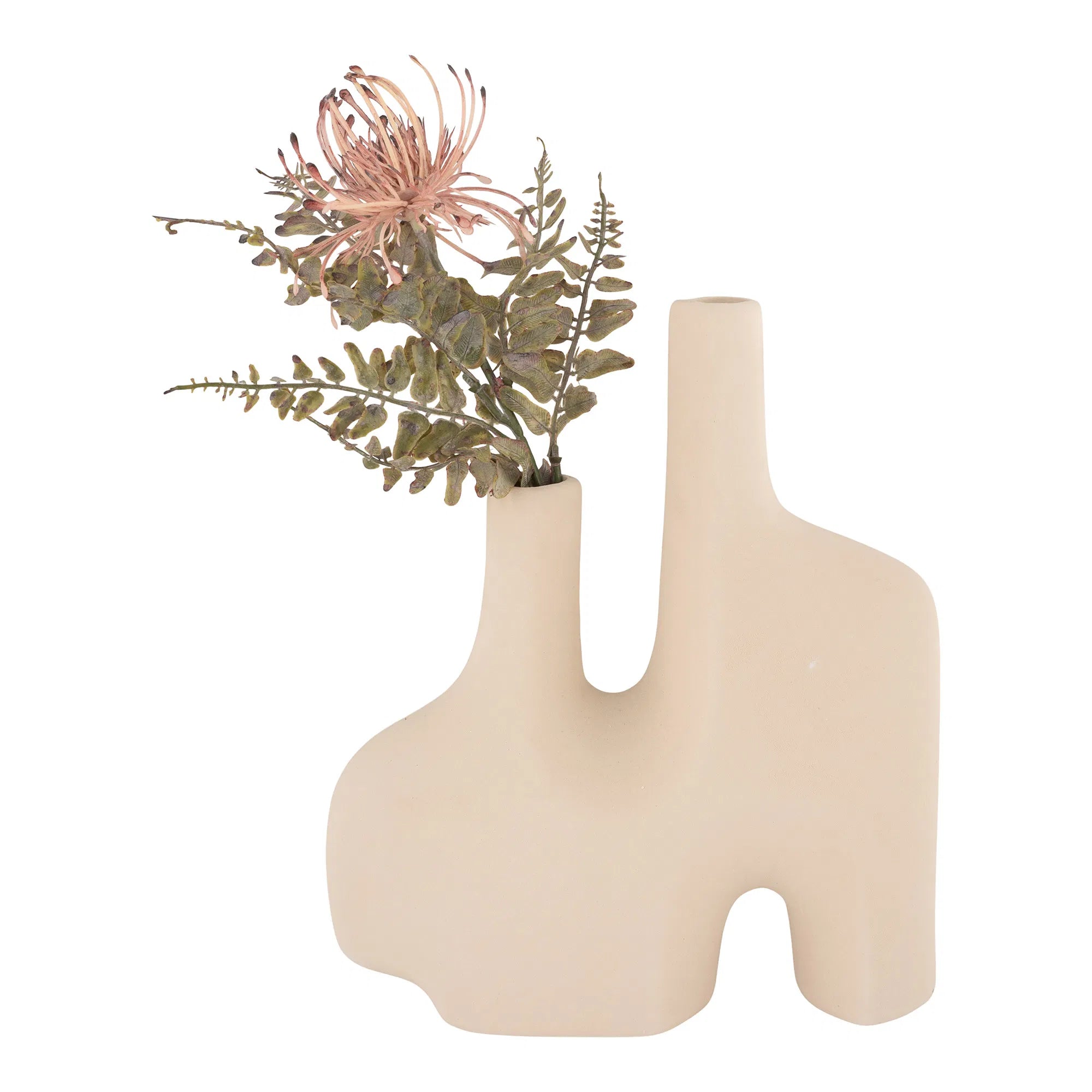

see the product see the product


see the product see the product


The palette of Eco–Desert Modernism
Earthy warmth with subtle contrasts.
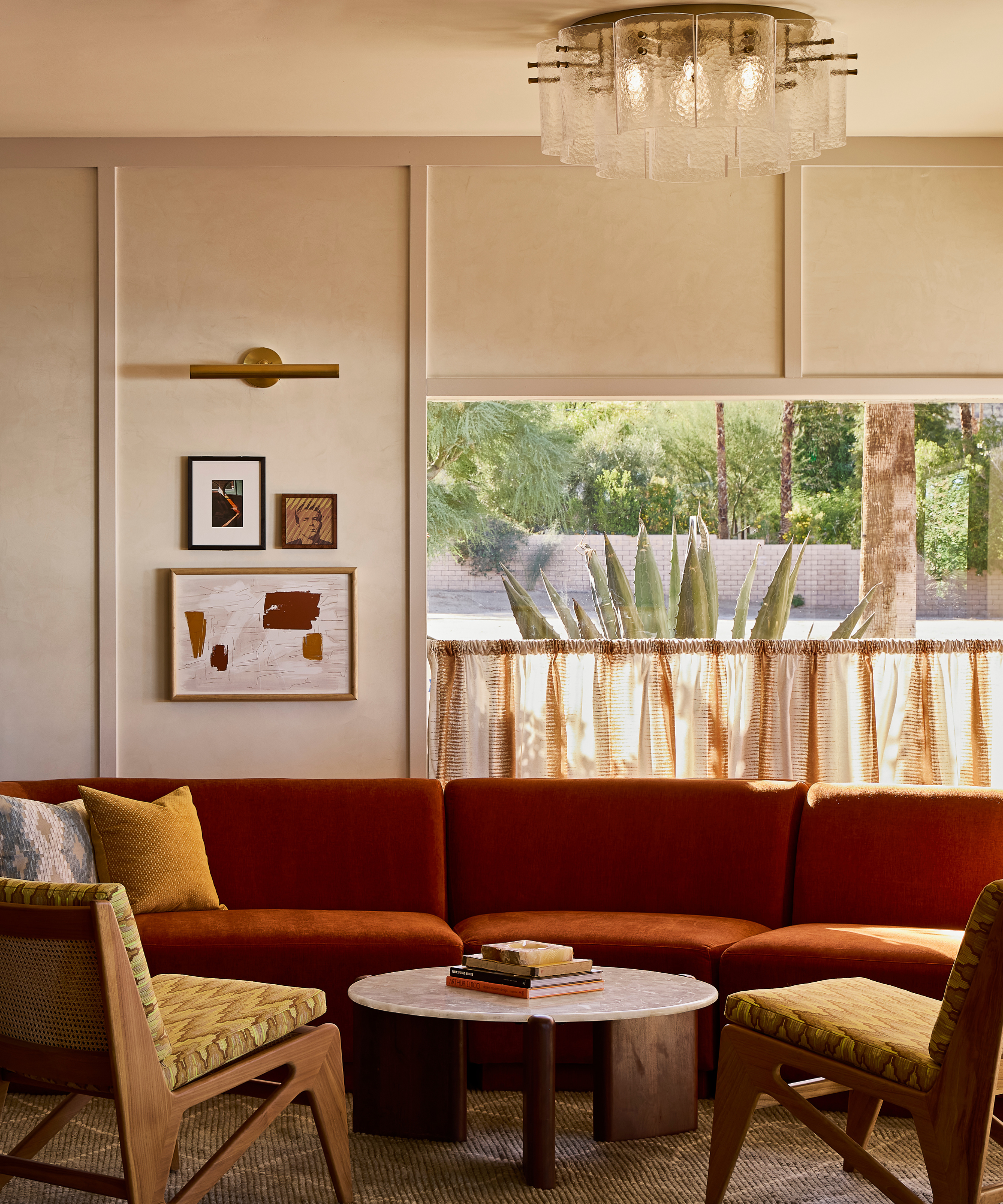
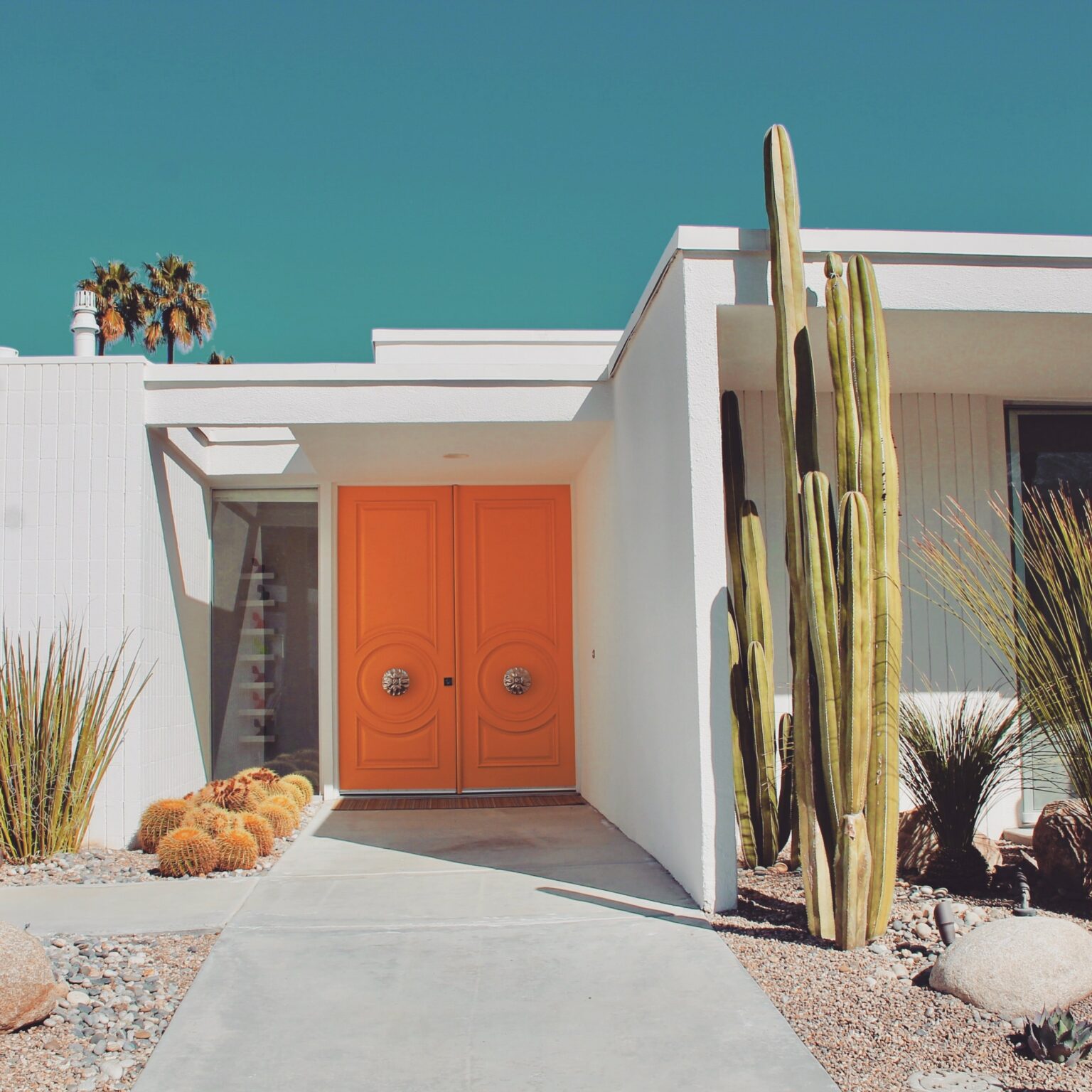
The color palette is based on warm, natural shades that create a sense of peace and depth. Dusty khaki, warm sand, and muted neutrals mimic the soil, rocks, and faded shades of the desert, enhancing the connection with nature and keeping the style timeless and authentic.
Turquoise accents act as a dynamic accent, with cultural references and symbolism of protection and spiritual connection, while the rusty reds and terracotta tones add warmth and materiality.



see the product see the product

see the product see the product


Materials, Finishes & Forms
Designed by nature, refined by art
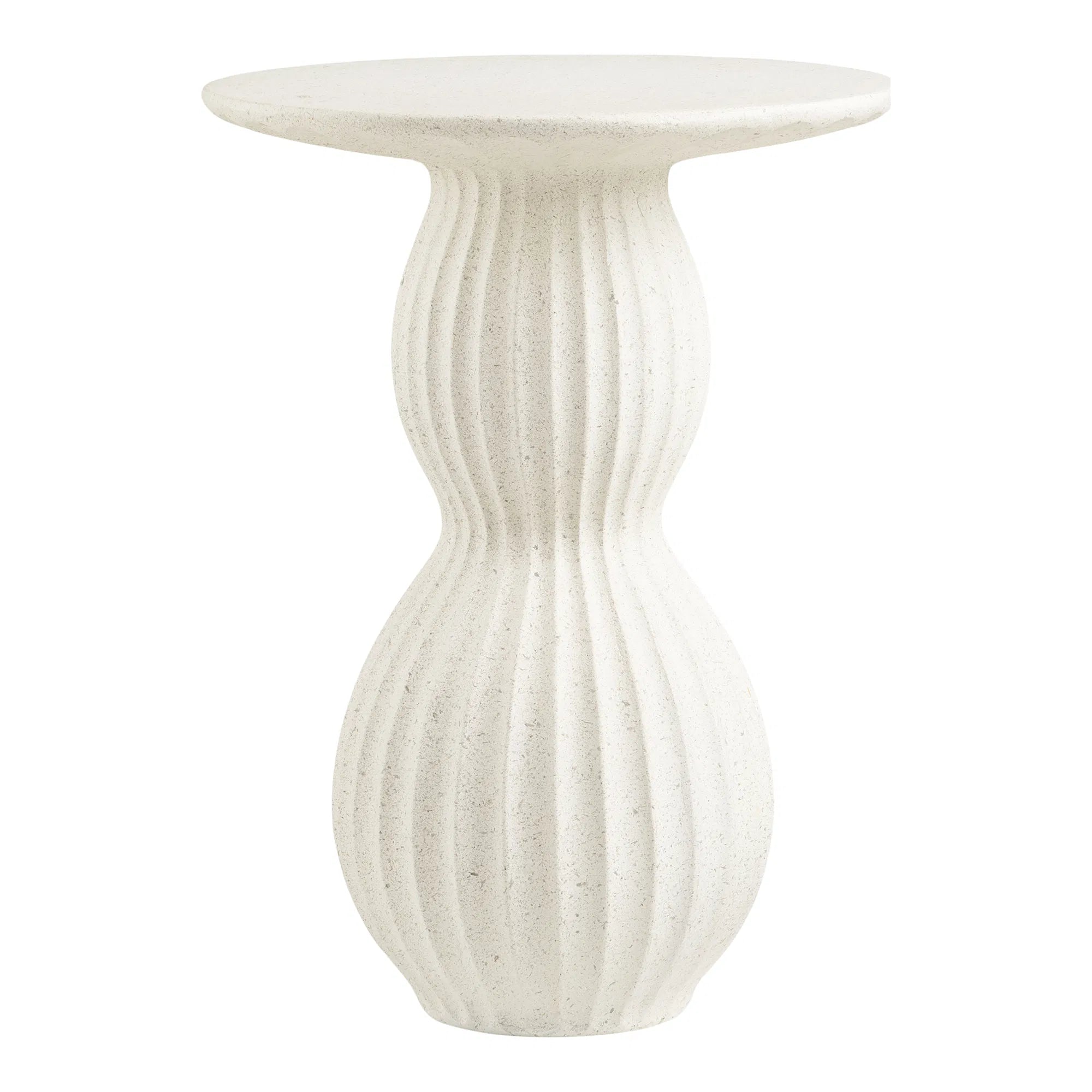
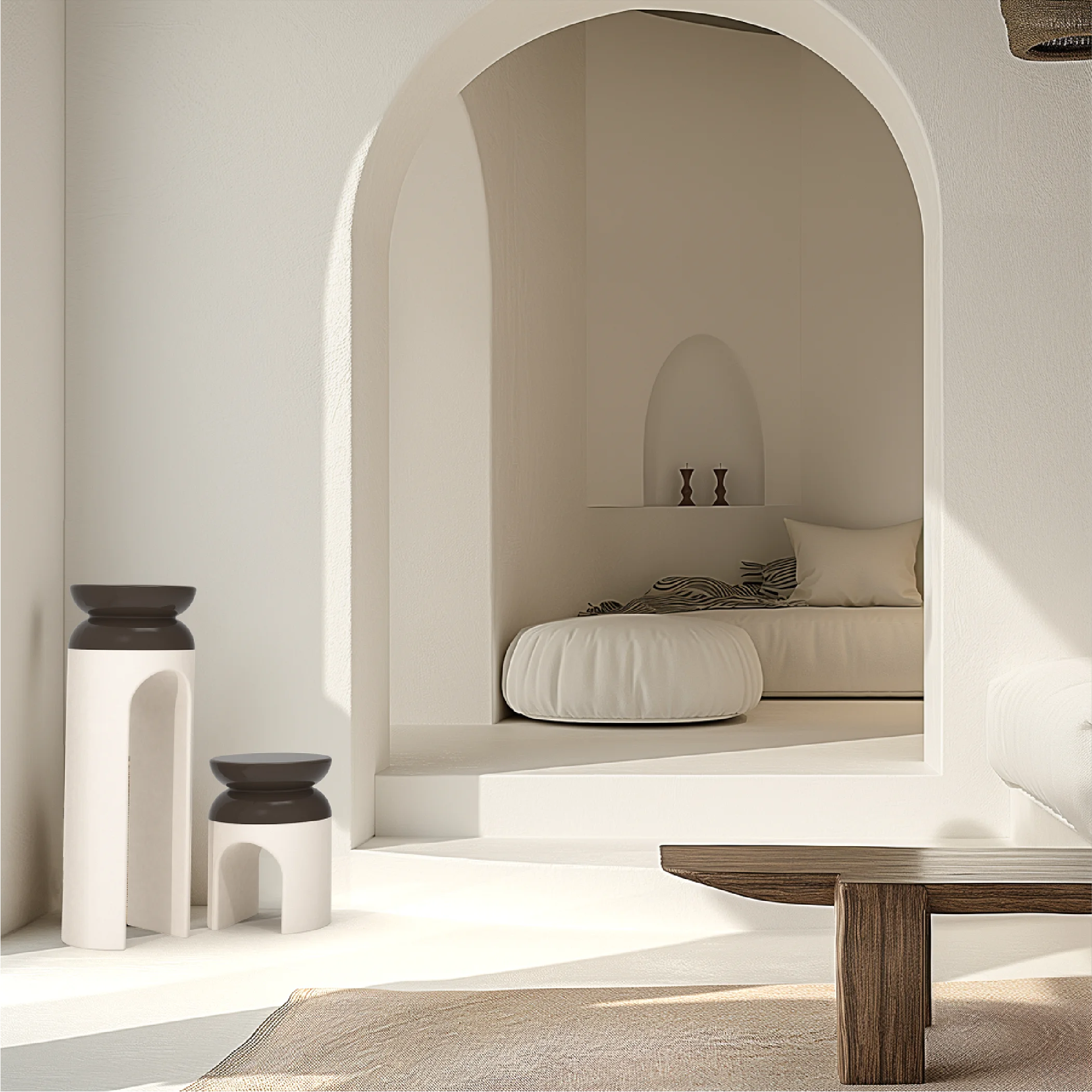
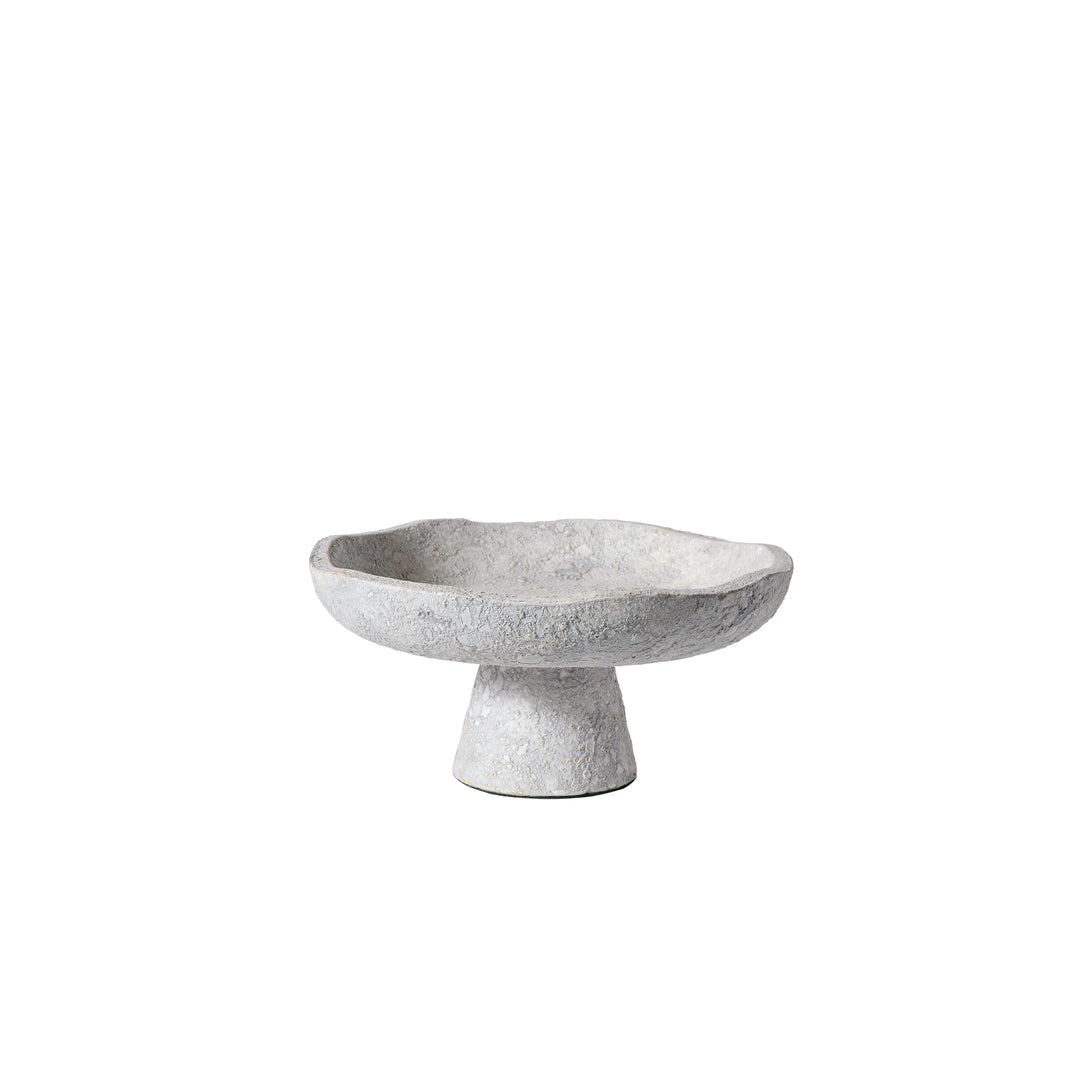
The materials in Eco–Desert Modernism are selected based on sustainability and the natural patina. Stone, limestone, travertine, and sandstone coexist with locally sourced woods, mats, and handmade ceramics, creating spaces with tactile quality and depth.
The surfaces are matte or slightly polished, with ribbed details, curved edges, and arches that soften the geometry. Natural fiber fabrics, handmade glass, and metal finishes complete an aesthetic that honors craftsmanship and slow culture.


see the product see the product


see the product see the product

Influences
A dialogue between modernism and location
Eco–Desert Modernism draws influences from Mid-Century Modernism, Bauhaus, and the regional architecture, combining functionality and aesthetic purity. Zen philosophies and the Southwestern design add a spiritual dimension, where the space becomes a haven of calm and mindfulness.
Architects, designers, and artists who honor form, light, and material act as points of reference, creating a dialogue between the past and the present, the local and the global.



see the product see the product


see the product see the product


The Eco–Desert Modernism expresses the essence of New Modernism through a more sustainable and earthy look. It is a design language that evolves without losing its soul, creating spaces that respect the environment, honor the material, and offer a calm, timeless living experience. It is a conscious choice of how we want to live today and tomorrow.

Leave a comment
All comments are moderated before being published.
This site is protected by hCaptcha and the hCaptcha Privacy Policy and Terms of Service apply.